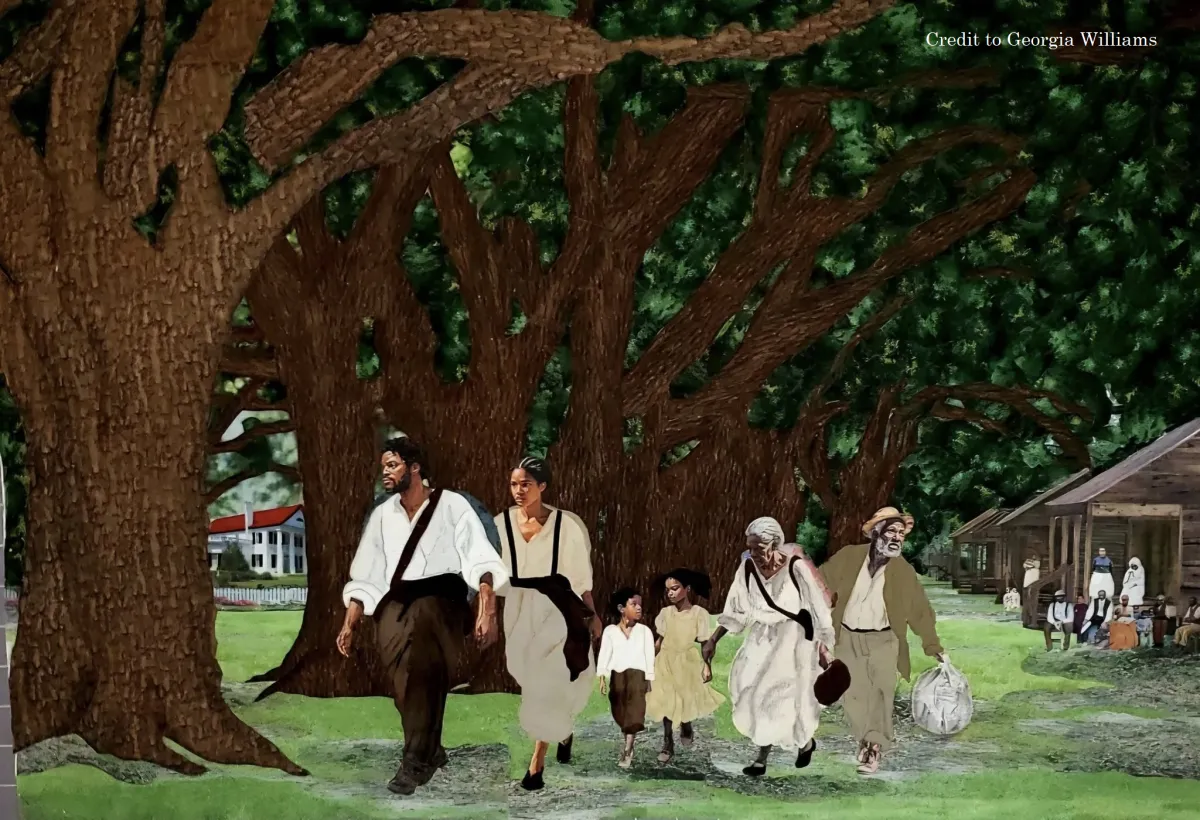
African American Textile History: The Secret Language of Cloth
The Quilt That Whispered:
Rediscovering the Secret Language of African American Textiles
African American textile history holds some of the most quietly radical stories in quilting. Long before pattern names were written in books, quilters encoded meaning into cloth — in the placement of a block, the choice of a colour, the direction a triangle pointed. This post explores the secret language stitched into African American quilts, and why understanding it changes the way we see every quilt we make today.
The history is a beautiful fusion. When enslaved people were brought to the Americas, they brought with them a profound textile tradition, including the distinctive, often large-scale appliqué work common in West and Central Africa. This art form, which was already used to document royal history and cultural proverbs, began to merge with the European patchwork styles. The result was something entirely new: the African American quilt, a powerful tool of both storytelling and, incredibly, a guide to freedom.
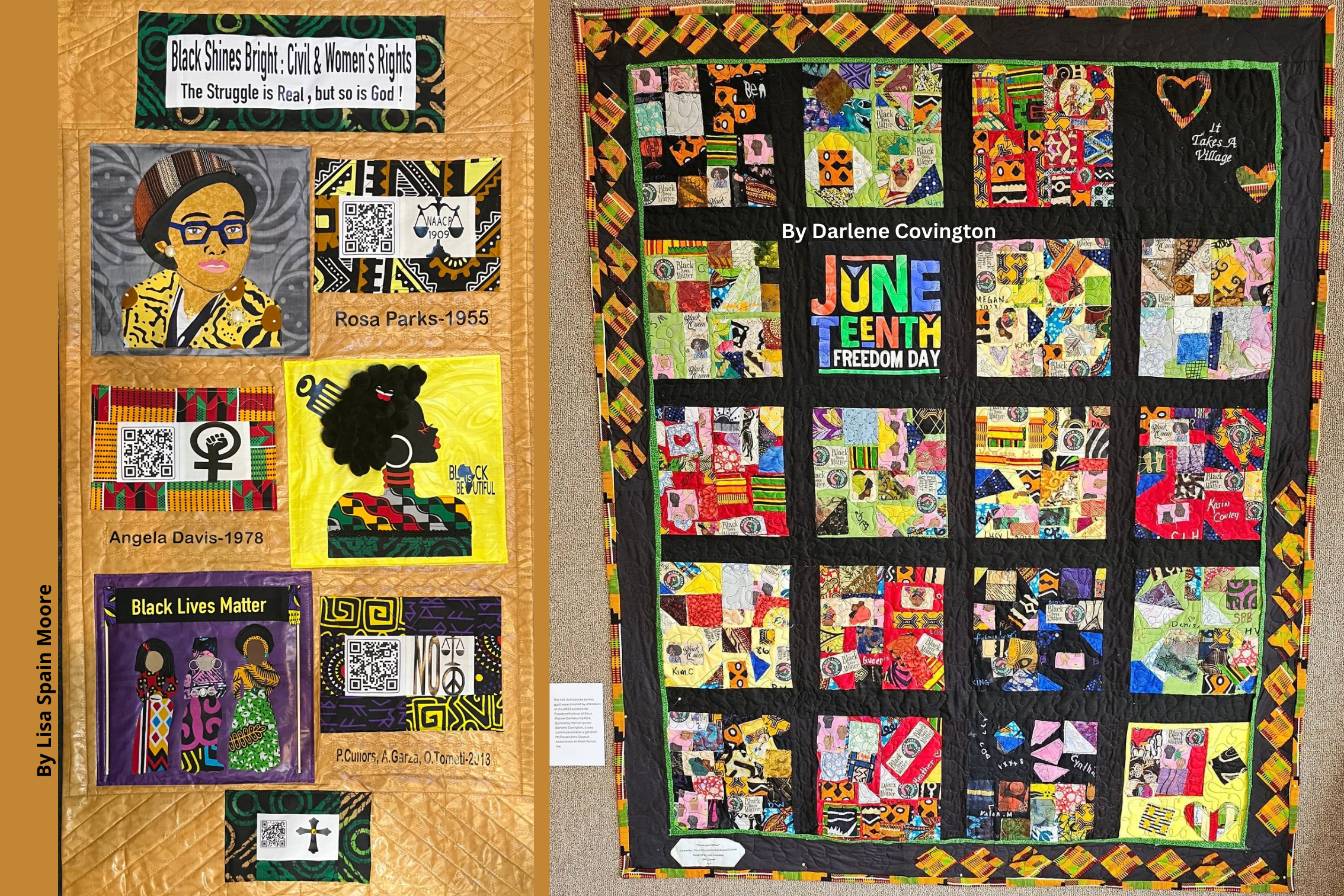
Credit: Quilt by Lisa Spain Moore and Darlene Covington
The Quilt as a Map and a Code
Imagine a world where you couldn’t speak your truth aloud. The quilt became the silent messenger. According to enduring legend, quilts hung on clotheslines or windowsills along the routes of the Underground Railroad were not just airing out—they were whispering directions. Specific blocks or motifs held coded instructions for those escaping bondage.
A "Bear Paw" block might be a signal to follow a mountain animal trail to find water and food.
The "Log Cabin" pattern, with its square center, could signify a safe house, a welcoming haven.
The bright, striking colors and the intentional "breaks" in patterns, a common feature in African weaving traditions, were not just artistic choice. In some African cosmologies, a break in a straight line was thought to confuse evil spirits. This powerful heritage translated into the quilts, a subtle yet spiritual defense woven right into the cloth.
Imagine a world where you couldn’t speak your truth aloud. The quilt became the silent messenger. According to enduring legend, quilts hung on clotheslines or windowsills along the routes of the Underground Railroad were not just airing out—they were whispering directions. Specific blocks or motifs held coded instructions for those escaping bondage.
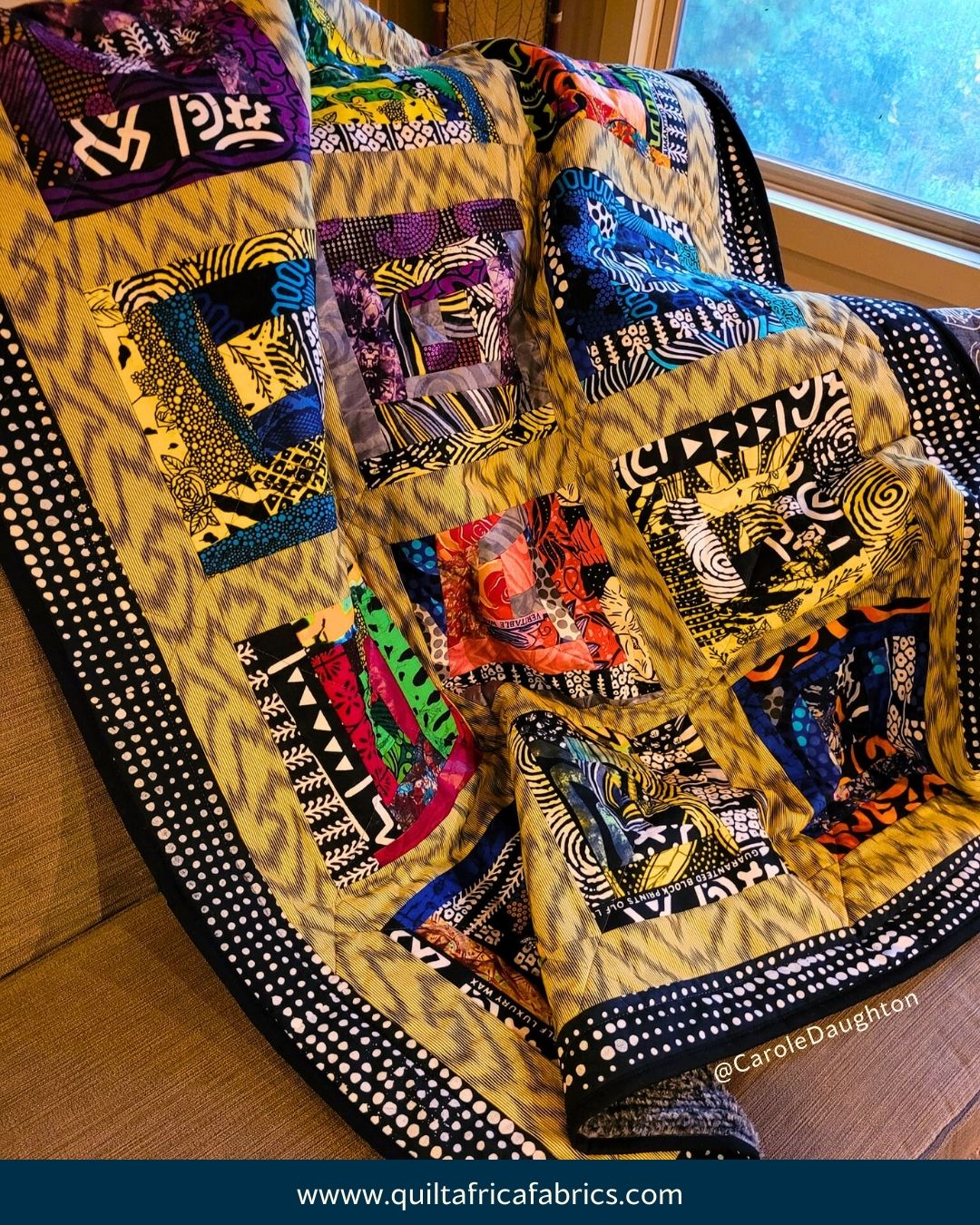
Credit: Quilt by Carole Daughton
Your Quilt, Your Narrative
For us as quilters today, this legacy gives us an incredible purpose. When you choose a bold, geometric African fabric, you are connecting to that tradition of using strong patterns to make a statement. When you blend colors in a way that feels unique and non-traditional, you are echoing the artistic freedom of those early African weavers who were masters of improvisation.
The movement is gaining well-deserved recognition, with institutions like the Smithsonian acquiring and celebrating contemporary quilts by Black women artists. This elevates the craft and reinforces its place as vital, museum-worthy art.
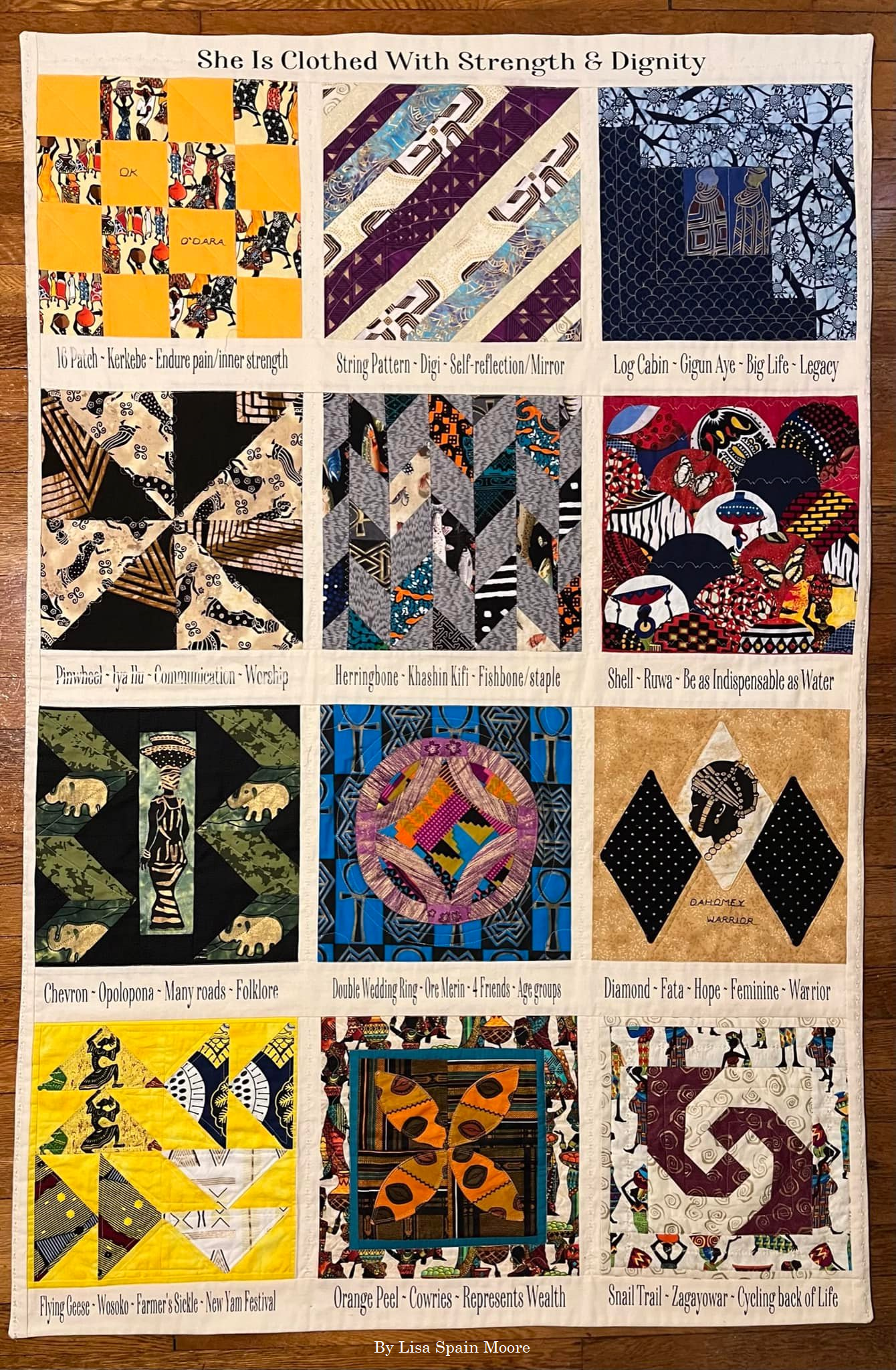
Credit: Quilt by Lisa Spain Moore
So, the next time you sit down to sew, remember that you are doing more than piecing fabric. You are part of an unbroken line of artists who used the needle and thread to share their story, preserve their culture, and chart a course for a beautiful, hopeful tomorrow. What story will your vibrant African fabrics tell?.
Download the Free Guide: Before You Cut - 6 Things Every Quilter Needs To Know About Quilting With African Wax Prints https://quiltafricafabrics.com/before-you-cut-african-fabrics
Join our Facebook Group: https://web.facebook.com/groups/quiltafricafabrics/
Explore more from Quilt Africa Fabrics

Join us on YouTube for the full Uncut Live experience: https://youtube.com/@quiltafricafabrics

Be sure to follow us on our socials to keep updated on our latest deals and events:

Facebook: https://www.facebook.com/quiltafricafabrics/
Facebook Group: https://www.facebook.com/groups/quiltafricafabrics/?_rdc=1&_rdr##
Instagram: https://www.instagram.com/miriam_quiltafricafabrics


